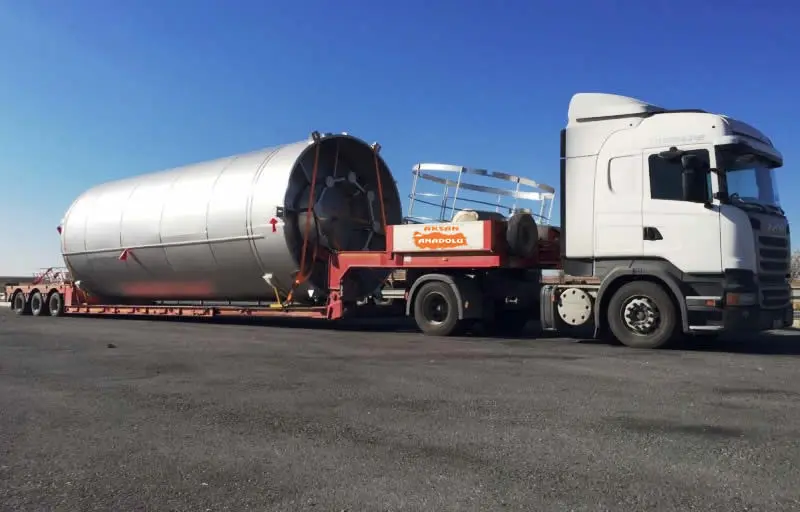




Road Transport
Road transport provides flexibility and speed advantages. It is ideal for small to medium-sized shipments. Its advantages include:
Flexibility: Road transport can reach nearly every location and offer door-to-door delivery options. Speed: It provides quick deliveries for short distances. Cost-effectiveness for small loads: It is cost-effective for small quantities of cargo. However, it also has disadvantages such as traffic congestion, road conditions, and long-distance transportation challenges.
Rail Transport
Rail transport is an economic and environmentally friendly option for carrying large quantities of cargo. Its advantages include:
Cost-effectiveness for large volumes: It’s an economical option for large volumes over long distances. Environmentally friendly: It emits less carbon compared to other transportation modes. However, the limited coverage of rail networks in some areas and less flexibility in door-to-door delivery are its disadvantages.
Sea Transport
Sea transport is often preferred for international shipping and offers advantages for large cargo quantities:
Ideal for large volumes: Container ships can transport large quantities of cargo. Cost-effectiveness: Per-ton shipping costs are generally lower than other modes. However, it has disadvantages like longer delivery times and port congestions.
Air Transport
Air transport offers advantages in terms of speed and reliability:
Quick delivery: Ideal for urgent and time-sensitive shipments. Global reach: Effective for international trade. However, its cost per ton is generally higher than other transport types and it is not suitable for large volume cargoes.
When choosing a transport system, considering factors like the shipment’s characteristics, budget, time, and delivery duration is important. Often, many logistics companies combine different transport modes using a multimodal approach to provide the most effective and efficient transportation solutions.
Another crucial point to remember is the advancements in technology in this sector. In the future, technologies such as automation, artificial intelligence, and data analytics can enhance the efficiency of transport systems and optimize operations. Therefore, considering technology is vital for transportation businesses to strategize for the future.